
Only residents in the following areas can participate:
View mode
- Cards
- List
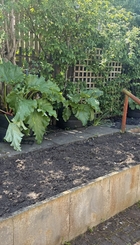
Community Garden at Pilton Equalities Project (PEP)
2025-05-09 • No comments • • Grow Your Own fund
The West Pilton Gardening Group is seeking funding to expand and further develop our existing community garden, increasing access to fresh, locally grown produce for people in our area. Our project supports food security, environmental sustainability, and community wellbeing. By enhancing the garden’s infrastructure and capacity, we will be able to grow food for our local sharing initiatives, involve more volunteers in meaningful activity, and provide opportunities for informal learning and skill-building.
Our community garden is already a valued local resource. With additional support, we aim to increase its impact by producing food, engaging more people, and creating a greener, healthier neighbourhood. Produce grown in the garden will be shared via our Community Sharing Shelf at the PEP Centre and used in our community groups. The project will also promote mental and physical wellbeing by offering regular opportunities for residents to connect with nature, learn new skills, and contribute to a shared purpose.
Project Objectives:
- Expand and improve our community garden to boost food production.
- Provide fresh, sustainable produce to our community groups and local residents, supporting the City of Edinburgh Council’s Net Zero and Anti-Poverty priorities, as well as aligning with the priority goal of Creating Good Places to Live and Work.
- Promote wellbeing and social connection by involving volunteers in growing activities, skill-sharing, and informal education.
- Foster a greater understanding of urban food growing and sustainable practices through hands-on experience.
How We Will Use the Funding: A grant of £4,000 will allow us to:
- Install Two Greenhouses – These will extend the growing season, support seed propagation, and increase our ability to produce food year-round.
- Purchase Tools, Equipment, Seeds, and Plants – Essential resources to expand and maintain the garden effectively and sustainably.
- Employ a Sessional Gardener – We will hire an experienced gardener for 3 hours per week over 6 months (£25/hour). This role will involve planning and overseeing growing activities, supporting volunteers in the Gardening Group, and delivering informal education and skills sessions.
- Increase Volunteer Engagement – We will involve a diverse group of at least 15 local volunteers, including existing PEP service users, in regular gardening sessions. Funding will help us promote the project widely across the community, making volunteering accessible and inclusive.
This project will be an inclusive, community-led initiative. The garden will serve as a space not only for food production, but for social connection, skill-building, and positive action on climate and health.
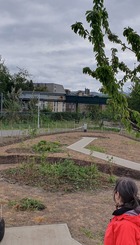
Garden @ the Snake
2025-05-11 • 4 comments • • Grow Your Own fund
Vision and Purpose:
This community garden will serve as a multifunctional space that:
- Provides a calm and beautiful resting place for individuals using the active travel networks.
- Engages local people in food-growing practices, offering an accessible way to connect with urban agriculture.
- Supports biodiversity, linking nature networks in Roseburn Path, Union Canal, and Dalry Cemetery, mitigating habitat loss caused by the cycle path development.
- Improves soil permeability to absorb rainfall and reduce flooding risks on Russell Road.
- Promotes community wellbeing by providing a shared space where local people can gather, share knowledge, and engage in meaningful activities that strengthen local connections and deepen community ties.
- Promotes individual wellbeing by enabling people to reconnect with nature, contributing to mental and emotional health through hands-on engagement with soil, plants, and local wildlife.
Environmental resilience and food security:
- Permaculture techniques to manage natural resources at the garden.
- Careful rainwater management (waste water runoff collection by plumbing runoff pipes from cycle path railway bridge into water butts, rain water collection in landscaped swales)
- Improvement of soil structure, stability and nutrient density (Focussing on perennial plants as much as possible to reduce soil disruption, adding organic matter back into the soil with compost and green manure, improving soil water permeability and water retention through surface mulching)
- Natural pollination and pest management by co-planting veg/fruit with flowers and herbs to attract pollinators and pest-managing insects like ladybirds.
Access to food growing knowledge and green skills:
- By encouraging community learning and informed participation in community composting, demonstrated by a fantastic project in Lancaster where residents could take a quick induction course in order to make sure compost composition and maintenance was correct. More community involvement means more compost, which means more food!
- Volunteers at the garden will learn hands-on about food growing, and funding could allow guest experts to come in to teach skills, or to help run interactive sessions.